Cambodia's Leadership in Regional Climate Action
Cambodia, a Southeast Asian nation with a rich cultural heritage and diverse ecosystems, has been increasingly recognized for its proactive approach to regional climate action. As the impacts of climate change become more pronounced in the Asia-Pacific region, Cambodia's efforts to address environmental challenges and promote sustainable development have gained prominence. The country's leadership in regional climate action is multifaceted, involving policy initiatives, community engagement, and international collaboration. This article explores Cambodia's strategies and contributions to regional climate action, highlighting its achievements, challenges, and future prospects .
1. Cambodia's Climate Context
Cambodia is particularly vulnerable to the effects of climate change due to its geography and socioeconomic structure. The country experiences seasonal monsoons, which bring heavy rains and flooding, particularly in the Mekong River basin offline., it also faces prolonged droughts, which affect agricultural productivity and water resources. With a significant portion of its population dependent on agriculture for their livelihood, changes in climate patterns have direct and profound impacts on food security, health, and the economy.

Deforestation, soil degradation, and over-reliance on natural resources have further exacerbated the country's vulnerability. Cambodia's rapid economic development and urbanization have also led to increased greenhouse gas emissions, although these remain relatively low compared to more industrialized nations. Despite these challenges, Cambodia has shown a strong commitment to addressing climate change at both the national and regional levels.
2. National Climate Policies and Initiatives
Cambodia's leadership in climate action begins at the national level, where it has implemented a range of policies and strategies aimed at mitigating and adapting to climate change.
National Policy and Strategic Frameworks
In 2013, Cambodia launched its first National Climate Change Strategic Plan (NCCSP) 2014-2023. This plan serves as a roadmap for integrating climate change considerations into national and sectoral policies. The NCCSP outlines strategies for reducing greenhouse gas emissions, enhancing climate resilience, and promoting sustainable development. It also emphasizes the importance of capacity building, technology transfer, and financing mechanisms to support climate action.
The Cambodian government has also developed the Cambodia Climate Change Strategic Plan for Agriculture, Forestry, and Other Land Use Sectors (AFOLU) 2016-2025. This sector-specific plan focuses on sustainable land management, reforestation, and the promotion of climate-resilient agricultural practices. It aims to reduce emissions from deforestation and forest degradation while enhancing carbon sequestration through improved land use.
Renewable Energy and Energy Efficiency
Cambodia is making strides in promoting renewable energy and improving energy efficiency. The government has set ambitious targets for increasing the share of renewable energy in its energy mix. Solar energy, in particular, has seen significant growth, with several large-scale solar farms being developed in recent years. The focus on solar energy not only helps reduce greenhouse gas emissions but also addresses energy security and access issues in rural areas.
In addition to renewable energy, Cambodia is working to improve energy efficiency across various sectors. The government has introduced energy efficiency standards and labeling programs for appliances and equipment. These initiatives aim to reduce energy consumption and lower emissions while providing cost savings for consumers.
3. Community Engagement and Grassroots Initiatives
Cambodia recognizes that effective climate action requires the involvement of local communities and grassroots organizations. The country has implemented various programs to engage communities in climate resilience and adaptation efforts.
Community-Based Adaptation
Cambodia has embraced community-based adaptation (CBA) as a key strategy for building resilience to climate change. CBA involves empowering local communities to assess their vulnerabilities and develop adaptive solutions based on their unique circumstances and traditional knowledge. Through participatory approaches, communities are engaged in designing and implementing projects that address local climate risks, such as flooding, drought, and coastal erosion.
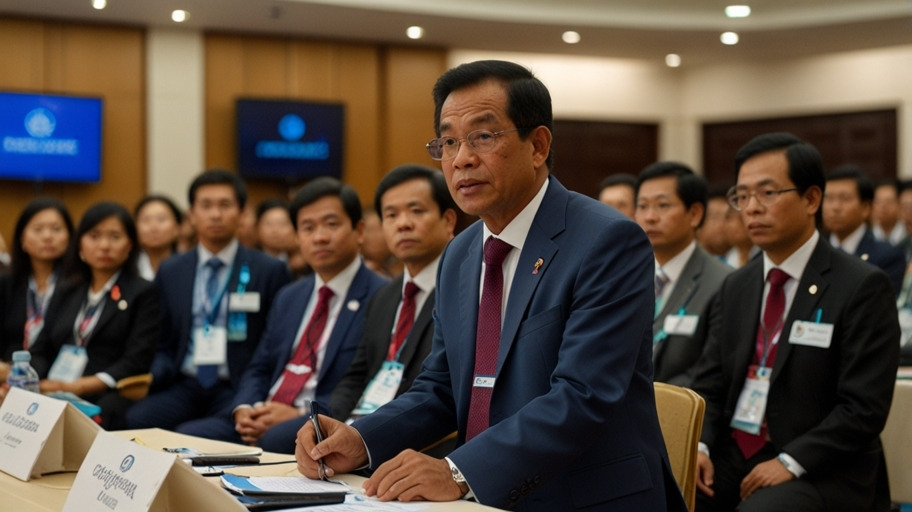
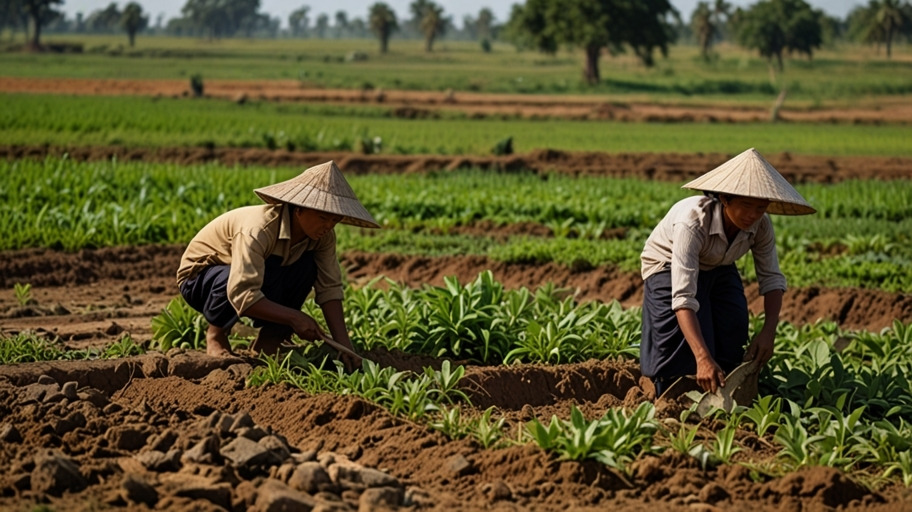
Examples of community-based adaptation projects in Cambodia include the construction of small-scale irrigation systems, the establishment of community-managed forests, and the development of climate-resilient agricultural practices. These initiatives not enhance only the adaptive capacity of communities but also promote sustainable livelihoods and biodiversity conservation.
Public Awareness and Education
Raising public awareness and promoting education on climate change are essential components of Cambodia's climate action strategy. The government, in partnership with NGOs and international organizations, has implemented various campaigns and programs to educate the public about the impacts of climate change and the importance of sustainability practices.
Educational programs are integrated into school curricula, and community workshops are conducted to disseminate information on climate change adaptation and mitigation. By increasing awareness and understanding, these efforts aim to foster a culture of environmental stewardship and encourage individuals and communities to take action.
4. International Collaboration and Regional Leadership
Cambodia's leadership in climate action extends beyond its national borders. The country actively participates in regional and international forums, contributing to the global dialogue on climate change and advocating for the needs of developing countries.
Role in ASEAN and Regional Initiatives
As a member of the Association of Asian Southeast Nations (ASEAN), Cambodia plays a vital role in regional climate action initiatives. ASEAN has established frameworks for cooperation on climate change, such as the ASEAN Climate Change Initiative (ACCI) and the ASEAN Action Plan on Joint Response to Climate Change. Cambodia actively contributes to these efforts by sharing best practices, participating in capacity-building activities, and promoting regional cooperation on climate resilience.
Cambodia has also been involved in transboundary environmental management efforts, particularly in the Mekong River basin. The Mekong River Commission (MRC), of which Cambodia is a member, works to promote sustainable development and climate resilience in the Mekong region. Cambodia's participation in the MRC reflects its commitment to collaborative water resource management and the protection of vital ecosystems.
Engagement with International Climate Agreements
Cambodia is a signatory to major international climate agreements, including the Paris Agreement. The country has submitted its Nationally Determined Contribution (NDC) to the United Nations Framework Convention on Climate Change (UNFCCC), outlining its commitments to reduce greenhouse gas emissions and enhance climate resilience. Cambodia's NDC emphasizes the need for international support, including finance, technology transfer, and capacity building, to achieve its climate goals.
In addition to the Paris Agreement, Cambodia participates in various international initiatives and partnerships, such as the Green Climate Fund (GCF) and the Global Environment Facility (GEF). These platforms provide financial and technical assistance to support Cambodia's climate action efforts and promote sustainable development.
5. Challenges and Opportunities
While Cambodia has made significant progress in advancing climate action, it faces several challenges that must be addressed to sustain its leadership in the region.
Financial and technical constraints
One of the primary challenges for Cambodia is the lack of financial and technical resources to implement large-scale climate mitigation and adaptation projects. As a developing country, Cambodia relies heavily on international funding and support to achieve its climate goals. Securing adequate financing for climate action remains a critical issue, particularly in the context of competing development priorities.
Institutional Capacity and Coordination
Building institutional capacity and ensuring effective coordination among government agencies, local authorities, and stakeholders are crucial for the successful implementation of climate policies. Cambodia has made progress in strengthening its institutional framework for climate action, but there is still a need for capacity building at all levels, including local communities and civil society organizations.
Balancing Development and Conservation
Cambodia faces the challenge of balancing economic development with environmental conservation. Rapid urbanization, industrialization, and infrastructure development have the potential to increase greenhouse gas emissions and put pressure on natural resources. It is essential for Cambodia to pursue sustainable development pathways that integrate climate considerations and Prioritize low-carbon, resilient growth.
6. Future Prospects and Vision
Looking ahead, Cambodia is well-positioned to continue its leadership in regional climate action. The country's commitment to sustainable development, community engagement, and international collaboration provides a solid foundation for addressing the challenges of climate change.
Advancing Renewable Energy and Green Technologies
Cambodia has the opportunity to further expand its renewable energy sector and promote green technologies. Investing in renewable energy infrastructure, such as solar and wind power, can help reduce emissions and enhance energy security. Additionally, adopting energy-efficient technologies and practices across industries can contribute to a more sustainable and resilient economy.
Strengthening Climate Resilience
Building climate resilience will remain a priority for Cambodia, particularly in the face of increasing climate variability and extreme weather events. Enhancing adaptive capacity through community-based initiatives, sustainable land management, and disaster risk reduction is essential for protecting vulnerable populations and ecosystems.
Leveraging Regional and International Partnerships
Cambodia's continued engagement in regional and international climate initiatives will be crucial for mobilizing resources, sharing knowledge, and advancing collective action. Strengthening partnerships with ASEAN members, development partners, and international organizations can provide the necessary support and expertise to achieve Cambodia's climate objectives.
Conclusion
Cambodia's leadership in regional climate action is characterized by a comprehensive approach that integrates policy development, community engagement, and international collaboration. Despite facing significant challenges, the country has demonstrated a strong commitment to addressing climate change and promoting sustainable development. By advancing renewable energy, building climate resilience, and fostering regional cooperation, Cambodia is contributing to the global effort to combat climate change and building a more sustainable future for all.