The Role of Cambodia's Youth in Political Change
Cambodia, a Southeast Asian nation with a rich history and a vibrant culture, has faced numerous challenges on its path to political stability and democracy. Over the years, the country has seen a significant transformation, with its youth playing an increasingly pivotal role in driving political change. This article explores the multifaceted contributions of Cambodia's youth to political change, examining the factors that have empowered them, the challenges they face, and their potential to shape the future of the nation.
Historical Context
To understand the current role of Cambodia's youth in political change, it's essential to consider the historical context. Cambodia has endured a tumultuous history, including the devastating Khmer Rouge regime (1975-1979) that resulted in the deaths of approximately 1.7 million people and left deep scars on the nation's social and political fabric. The subsequent decades were marked by political instability, conflict, and a struggle for democracy.

Since the early 1990s, Cambodia has made progress toward political normalization, including the establishment of a constitutional monarchy and democratic elections. However, the political landscape has remained fraught with challenges, including allegations of corruption, human rights abuses, and a lack of political freedom In this context, the youth of Cambodia have emerged as a critical force for change.
Demographic Advantage
Cambodia has a youthful population, with over 65% of its citizens under the age of 30. This demographic advantage provides a unique opportunity for the country's youth to influence political change. Young people are often seen as agents of change, bringing fresh perspectives, energy , and a willingness to challenge the status quo. In Cambodia, this demographic potential is increasingly being realized.
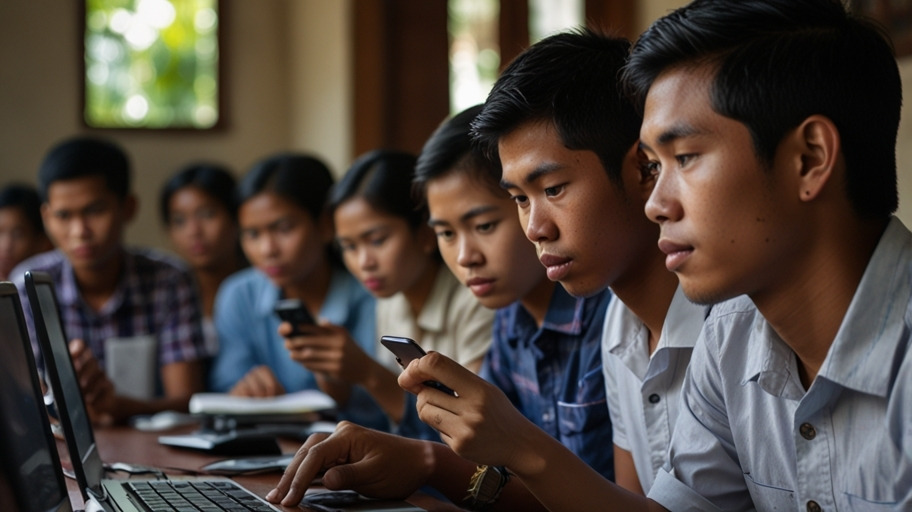
The country's youth are more educated and connected than generations, thanks to improvements in education and access to information technology. This has created a new generation that is more aware of political issues and more engaged in civic activities. The proliferation of smartphones and previous social media has further empowered young Cambodians to voice their opinions, mobilize support, and hold those in power accountable.
Youth Activism and Civic Engagement
Cambodia's youth have demonstrated a growing interest in political and social issues, leading to increased activism and civic engagement. This engagement has taken various forms, from participating in protests to grassroots organizations and engaging in online advocacy.
Protests and Demonstrations
One of the most visible ways in which Cambodian youth have contributed to political change is through protests and demonstrations. In recent years, there have been several notable instances where young people have taken to the streets to demand political reform, social justice, and human rights .
For example, the 2013 national elections were marked by widespread protests led by the Cambodia National Rescue Party (CNRP) and its supporters, many of whom were young people. These protests challenged the legitimate of the election results, which were marred by allegations of irregularities and fraud. The youth played a crucial role in these demonstrations, demanding transparency, accountability, and a more democratic political system.
Grassroots Movements and NGOs
Beyond street protests, many young Cambodians have become involved in grassroots movements and non-governmental organizations (NGOs) that work on various social and political issues. These organizations focus on a range of topics, including human rights, environmental conservation, education, and gender equality.
Youth-led initiatives have been particularly active in advocating for environmental protection and land rights. Cambodia has experienced rapid deforestation and land grabbing, often at the expense of local communities and indigenous peoples. Young activists have organized campaigns to raise awareness about these issues, calling for sustainable development and the protection of natural resources.
Digital Activism
The rise of digital technology has significantly impacted how Cambodian youth engage in political activism. Social media platforms like Facebook, Twitter, and Instagram have become powerful tools for raising awareness, sharing information, and organizing campaigns. These platforms allow young people to bypass traditional media channels, which are often controlled by the state, and reach a wider audience.
Digital activism has proven effective in mobilizing support for various causes, such as advocating for free and fair elections, opposing human rights abuses, and demanding government accountability. The hashtag #SavePreyLang, for instance, has been used by young environmental activists to draw attention to illegal logging activities in the Prey Lang forest, one of Cambodia's last remaining primary rainforests.
Challenges and Obstacles
While Cambodia's youth have shown remarkable resilience and determination in their pursuit of political change, they face significant challenges and obstacles.
Political Repression
The Cambodian government, under the leadership of Prime Minister Hun Sen and the Cambodian People's Party (CPP), has been criticized for its authoritarian tendencies and efforts to suppress political dissent. This has made it difficult for young activists to operate freely and safely. government has cracked down on opposition parties, independent media, and civil society organizations, often using legal mechanisms to stifle dissent.
For example, in 2017, the CNRP, the main opposition party, was dissolved by the Supreme Court, eliminating effectively any significant political challenge to the ruling party. This move was widely condemned by the international community and seen as a blow to democracy in Cambodia Young activists associated with the opposition have faced harassment, arrests, and intimidation, making it risky to engage in political activities.
Limited Access to Education and Opportunities
Despite improvements in education, many young Cambodians still face barriers to accessing quality education and economic opportunities. This limits their ability to participate effectively in the political process. In rural areas, where a significant portion of the population resides, access to education and information technology remains limited. This digital divide can hinder the ability of rural youth to engage in political discussions and advocacy.
Additionally, economic challenges, such as high levels of poverty and unemployment, can divert young people's focus away from political economic engagement. Many are forced to prioritize immediate survival over long-term political activism.
Social and Cultural Factors
Cambodian society is traditionally hierarchical, with a strong emphasis on respect for authority and elders. This cultural norm can discourage young people from openly challenging established power structures. In many cases, youth activism is viewed with suspicion or even hostility by older generations, who may see it as a threat to social stability.
Furthermore, gender norms can also impact the ability of young women to participate in political activities. While progress has been made in promoting gender equality, women in Cambodia still face cultural expectations that may limit their involvement in public life. Young female activists often encounter additional challenges, including discrimination and harassment.
The Future of Youth-Driven Political Change
Despite the challenges they face, Cambodia's youth remain a vital force for political change. Their growing awareness, activism, and engagement indicate a shift in the country's political dynamics. There are several factors that will shape the future of youth-driven political change in Cambodia .
Education and Empowerment
Continued investment in education is crucial for empowering young Cambodians to participate effectively in the political process. Access to quality education, including civic education, can equip young people with the knowledge and skills needed to engage in informed and constructive political discussions. Efforts to bridge the urban-rural divide in education and access to information technology will be essential in ensuring that all youth have the opportunity to contribute to political change.
Digital Transformation
The digital transformation of Cambodia presents both opportunities and challenges for youth-driven political change. While digital platforms have enabled greater access to information and facilitated activism, they also pose risks, including the spread of misinformation and government surveillance. It will be important for young activists to navigate these challenges while leveraging digital tools to amplify their voices and advocate for democratic values.
International Support and Solidarity
International organizations and partners can play a supportive role in promoting youth engagement and democratic development in Cambodia. By providing resources, training, and platforms for young activists, the international community can help amplify the voices of Cambodia's youth and advocate for their rights. Diplomatic pressure and advocacy for human rights and democratic principles can also contribute to creating a more conducive environment for political change.
Building Alliances and Networks
Cambodian youth can benefit from building alliances and networks with like-minded individuals and organizations, both domestically and internationally. Collaboration and solidarity among youth groups can enhance their collective impact and resilience in the face of political repression. By working together, they can amplify their demands for political reform, human rights, and social justice.
Inclusivity and Diversity
To drive meaningful political change, it is important for youth movements to be inclusive and diverse. This includes ensuring the representation and participation of marginalized groups, such as ethnic minorities, rural youth, and young women. Inclusivity can strengthen the legitimate and impact of youth -driven initiatives and contribute to a more equitable and just society.

Conclusion
The role of Cambodia's youth in political change is both significant and evolving. Despite facing numerous challenges, young Cambodians have demonstrated a growing commitment to advocating for democratic values, human rights, and social justice. Their activism, whether through protests, grassroots movements, or digital platforms, reflect a desire for a more transparent, accountable, and inclusive political system.
As Cambodia continues its journey toward political stability and democracy, the contributions of its youth will remain a critical factor in shaping the country's future. By addressing the obstacles they face, empowering them through education and technology, and fostering an inclusive and supportive environment, Cambodia can harness the potential of its young generation to drive positive and transformative political change.