Cambodia's Political Landscape Post-Elections
Cambodia's political landscape has undergone significant changes following the recent elections. The country, with its rich history and complex political dynamics, has been the subject of international attention. These elections have been pivotal in shaping the future of Cambodia's governance, civil society, and international relations. This article delves into the intricacies of Cambodia's political environment post-elections, examining the key players, policy implications, and the broader impact on the nation's development.
Historical Context
Cambodia's modern political history has been marked by turmoil and transformation. The country endured the brutal Khmer Rouge regime in the 1970s, followed by decades of civil war and instability. The United Nations Transitional Authority in Cambodia (UNTAC) played a crucial role in the early 1990s, overseeing a peace process and the country's first democratic elections in 1993. Since then, Cambodia has been under the rule of the Cambodian People's Party (CPP), led by Prime Minister Hun Sen. The CPP has maintained a firm grip on power, often through controversial means, including the suppression of political opposition and restrictions on media freedom.

The 2023 Elections: A Watershed Moment
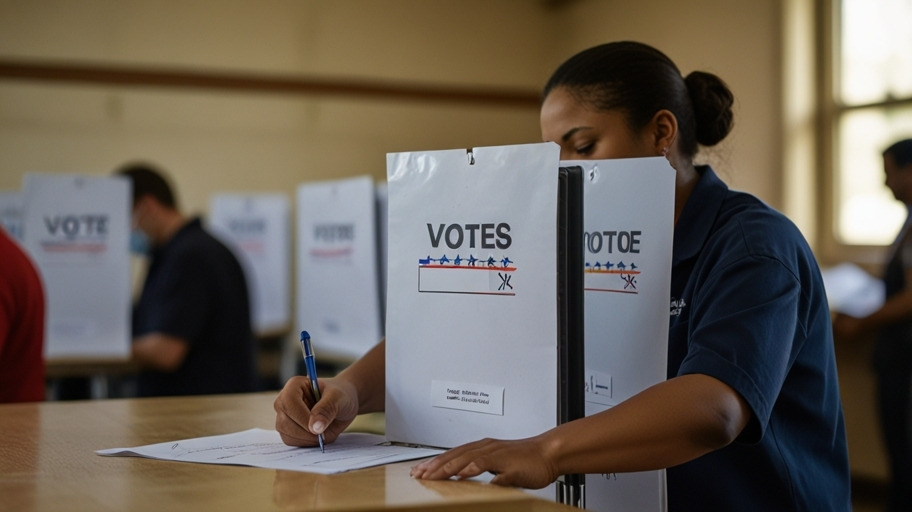
The recent elections in Cambodia were conducted in a political climate heavily skewed in favor of the ruling CPP. In the lead-up to the elections, the government took several steps that effectively undermined the opposition. The most significant of these was the dissolution of the Cambodia National Rescue Party (CNRP), the main opposition party, in 2017. This action left the political field open for the CPP to dominate the elections without any significant challenge.
Despite these circumstances, the elections were held, and the CPP emerged victorious as expected. This outcome was seen by many as a consolidation of power by Hun Sen and his party, ensuring their continued dominance over Cambodian politics. The CPP's overwhelming victory was also a reflection of the country's tightly controlled political environment, where dissenting voices are often silenced through legal and extrajudicial means.
The Role of the Cambodian People's Party
The CPP's victory in the elections has further solidified its control over Cambodia's political landscape. Under Hun Sen's leadership, the party has effectively centralized power, controlling not only the executive and legislative branches of government but also the judiciary and security forces. This concentration of power has allowed the CPP to implement policies without significant opposition, but it has also raised concerns about the erosion of democratic norms and the rule of law in Cambodia.
One of the CPP's main strategies has been to portray itself as the guarantor of stability and economic development. The party has overseen a period of rapid economic growth in Cambodia, largely driven by foreign investment and a booming garment industry. However, this growth has not been without its challenges. Widespread corruption, land grabbing, and income inequality have been persistent issues, and the government has often been criticized for prioritizing the interests of the elite and foreign investors over those of ordinary Cambodians.
Opposition and Civil Society Under Pressure
The CPP's dominance in Cambodian politics has come at a significant cost to political pluralism and civil society. The dissolution of the CNRP and the imprisonment or exile of many of its leaders effectively dismantled the primary avenue for political opposition. In the absence of a viable opposition. party, other forms of dissent have also been curtailed. Independent media outlets have been shut down or co-opted by the state, and activists and human rights organizations face constant harassment and legal challenges.
The suppression of opposition voices has raised serious concerns about the state of democracy in Cambodia. International observers and human rights organizations have criticized the elections as being neither free nor fair, pointing to the lack of political competition and the restrictive environment in which they were held The government, however, has defended its actions as necessary to maintain stability and prevent foreign interference.
Policy Implications and Governance
With the CPP firmly in control, Cambodia's policy direction is likely to remain focused on economic development and maintaining political stability. The government has pursued a model of development that emphasizes attracting foreign investment, particularly from China, and developing infrastructure and industry. yielded tangible results in terms of economic growth, but it has also led to concerns about environmental degradation, social inequality, and overreliance on foreign investment.
One of the key challenges for the CPP will be addressing these issues while maintaining its hold on power. The government has shown a willingness to crack down on dissent and limit the space for civil society, but this approach carries the risk of increasing social tensions and alienating segments of the population. There is also the question of how Cambodia will navigate its relationship with major international actors, particularly China and the United States.
International Relations and Foreign Policy
Cambodia's foreign policy has been increasingly oriented towards China, which has become the country's most significant economic partner and politically ally. Chinese investment and aid have been instrumental in supporting Cambodia's development, particularly in infrastructure projects such as roads, bridges, and hydropower dams. This relationship has provided the CPP with an important source of support, allowing it to resist pressure from Western countries on issues related to democracy and human rights.
However, Cambodia's close ties with China have also raised concerns about the country's sovereignty and the potential for overly dependent on a single foreign power. There are fears that Cambodia is being drawn into China's sphere of influence, particularly in the context of the broader strategic competition between China and the United States in the region. The Cambodian government has dismissed these concerns, arguing that its relationship with China is based on mutual benefit and respect for sovereignty.
At the same time, Cambodia's relations with Western countries have become more strained. The United States and the European Union have been vocal critics of the CPP's authoritarian practices, including the crackdown on the opposition and restrictions on civil society. In response, they have imposed sanctions and withdrawn trade preferences, which has put additional pressure on Cambodia's economy. The Cambodian government has criticized these actions as interference in its internal affairs and has sought to strengthen its ties with other partners, particularly in the region.
Future Prospects and Challenges
The current political landscape in Cambodia poses several challenges for the future. The CPP's continued dominance means that significant political change is unlikely in the near term, especially given the government's tight control over state institutions and the lack of a viable opposition. However, this dominance also comes with risks. The absence of political competition and open debate can lead to governance issues, including corruption, inefficiency, and policy missteps.
Economic challenges also loom on the horizon. While Cambodia has experienced robust economic growth, it remains a developing country with significant poverty and inequality. The government's focus on attracting foreign investment has brought benefits, but it has also created vulnerabilities, particularly in relation to environmental sustainability and economic diversification. The garment industry, a key pillar of the economy, is highly susceptible to changes in global market conditions, and there are concerns about overreliance on a single sector.
Another key issue is the role of youth and the changing demographics in Cambodia. With a large and growing young population, there is a demand for more opportunities, better education, and greater political participation. The CPP has attempted to engage with younger generations through social media and public outreach, but there are questions about how effectively it can address the aspirations and grievances of this demographic group.
Civil Society and the Path Forward
Despite the challenges, there are still active elements within Cambodian civil society that continue to advocate for democratic reforms, human rights, and social justice. While the space for civil society has been constrained, grassroots organizations, activists, and independent media are finding new ways to operate and push for change. Social media and digital platforms have become important tools for organizing and disseminating information, even in the face of government surveillance and censorship.
The future of Cambodia's political landscape will depend on several factors. One key element is the potential for internal reform within the CPP. There are indications of generational shifts within the party, with younger members advocating for modernization and more responsive governance. Whether these internal dynamics can lead to meaningful change remains to be seen.

Another factor is the role of the international community. Cambodia's political trajectory will continue to be influenced by its relationships with major powers and international institutions. The country's leadership will need to balance its ties with China against the need to maintain constructive engagement with Western countries and regional neighbors. The international community can play a role in supporting democratic norms and human rights in Cambodia, but this will require a nuanced and strategic approach that takes into account the complex dynamics at play.
Conclusion
Cambodia's political landscape post-elections is characterized by the continued dominance of the CPP, the suppression of opposition voices, and the complex interplay of domestic and international factors. The government's focus on economic development and stability has brought about significant changes, but it has also raised questions about the future of democracy, human rights, and sustainable development in the country. As Cambodia navigates these challenges, the actions of its leaders, the resilience of civil society, and the influence of international actors will play a crucial role in shaping the country's path forward.